

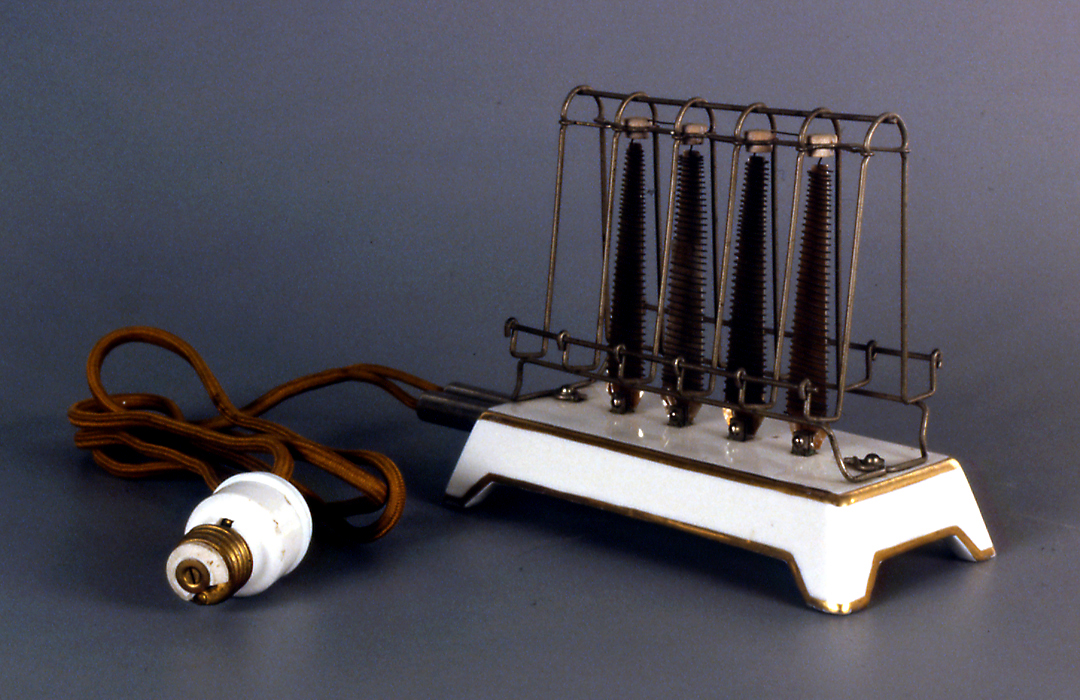
When electricity was first invented into the domestic environment, it was initially for lighting. However, as it became a viable option to other means of heating and also the development of labor-saving appliances, a method of connection to the supply other than the use of a light socket was needed. In the 1920s, the two-prong electric plug was introduced.
Then, most electricity companies ran a split tariff system where the cost of electricity for lighting was cheaper than that for other purposes, which led to small wattage appliances (such as, hair dryers, vacuum cleaners, etc.) being connected to the light fitting.
As the need for safer installations rose, three-pin outlets were invented. The third pin, which was connected to the earth, has the same potential as the neutral supply line. The function behind it was that in the event of a short circuit to earth, a fuse would blow, hence disconnecting the supply.
Countries over the world now use no less than 15 different styles of plugs and wall outlets, because many countries preferred to invent a plug of their own, instead of adopting the US standard power plug (ปลั๊กไฟกันไฟกระชาก, which is the term in Thai). In one sense, those countries were right, although the wobbly American plugs, as well as their uninsulated prongs, are almost prehistoric with regards to design, and they are notoriously unsafe.
Many African, Asian, and Latin-American countries are still in the same situation that Brazil was in. Systematizing on type N (or other safe and preferably widely used earthed plug system such as types F, G or I, for that matter) is self-evident. But some countries remain adamant. For example, Thailand considered it necessary in 2006 to develop a whole new power outlet system for their own country, this is however compatible with type C, which is currently gradually being phased in.
