

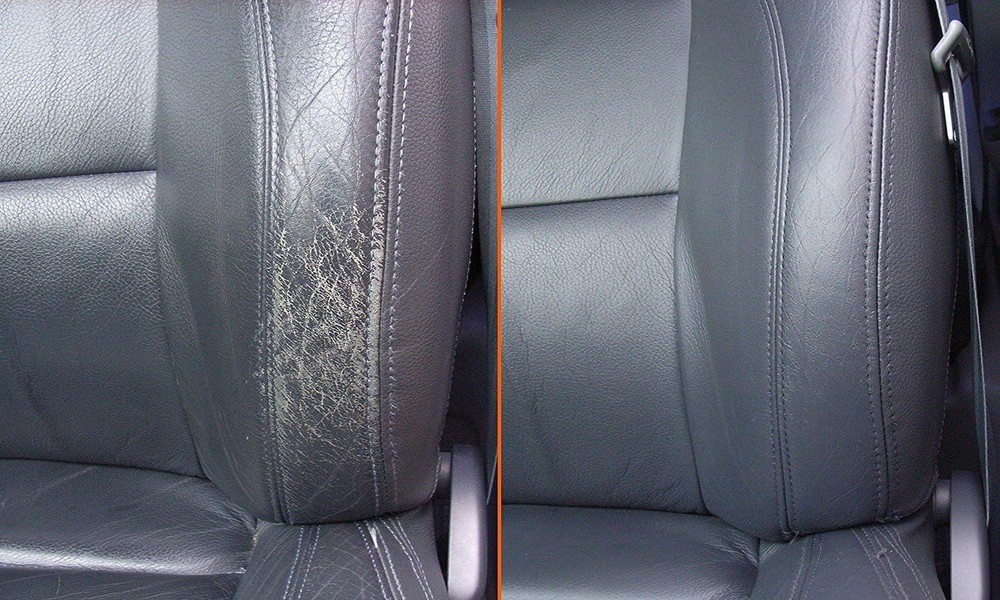
Business interiors can get worn down over time by regular use, client meetings, staff traffic, and regular contact. A clear repair plan helps with the job’s scope, getting to it, reviewing the costs, and taking care of the surface. In Indianapolis, there are a few things that can be done to make the service request more useful from the start.
1. Look at the Damage Before
Make a list of any scratches, cracks, cuts, stains, scuff marks, burns, or color loss that you can see. This little thing makes the inspection better before the experts of leather repair in Indianapolis get there. There are different views that can show how big and deep each damage is.
In Indianapolis, businesses could lose office chairs, lobby chairs, restaurant seats, and car interiors. Because service needs are different, each item should be checked on its own. This cuts down on breaks in service reviews.
2. Find Out What the Surface is Made Of
The materials used to make commercial furniture can be a mix of leather, vinyl, plastic, cloth, and more. Service steps depend on the surface, finish, and amount of wear. A quick look at the label or product record might be enough to confirm what’s written.
Some look like leather but aren’t really leather. This is important because the limits of bonding are different for bonded, coated, and synthetic surfaces. In Indianapolis, clear notes on the supplies may help estimates be more accurate.
3. Look at the Business Setting
When you ask for repairs, you should explain how the item is used every day and how often staff, clients, guests, or patients touch it. There could be food marks, worn seams, or cracks in the table. But a clinic chair or meeting seat that is used a lot might have scuffs and pressure marks on it. Different entry layouts may be needed for cars, waiting rooms, and front desks.
The front-facing furniture of an Indianapolis business can show how clean, well-kept, and professional the area is. If the main structure is still good, leather mending can fix old parts of an item without having to buy a new one. This can help if the frame, cushion, or seat base are fine and only the surface needs fixing.
4. Share Access and Site Details
Take note of entry points, floor level, parking possibilities, loading access, and the best arrival contact before the appointment. This data helps the technician discover the proper area faster and with less site disruption. They also allow workers to plan around visits, especially when the repair location is near customers, patients, guests, or operations.
Indianapolis sites with secure doors, valet zones, service lanes, or shared building access may need extra notes before the visit. A clear site plan helps keep the repair visit practical and direct from the time the technician arrives. It may also reduce confusion for multi-room or multi-building locations where damaged items are spread across several areas.
5. Set Repair Priorities for Multiple Items
When more than one thing needs work, pick the most important one to do first. Priority may be given to seats that get a lot of use, lobby art that stands out, and customer places. This helps the study of the service focus on the most important issues.
Things That Should Be Listed First
Broken chairs, booth panels, car seats, armrests, and reception furniture can all be on an easy priority list. To be clear, write down short notes like “front lobby chair” or “third booth on the left.”
- The most noticeable furniture
- Things that are used every day
- Seats that make you worry about safety or comfort
- Parts that go with a bigger set
- Stains, cracks, or cuts on the surface
This structure makes the visit easier to follow without having to give a lot of information.
6. Ask If the Color and Finish Can Be Matched
In business surface repair, color matching is very important. The color of the leather may change over time because it has been used and cleaned before. A expert might have to look at the tone, grain, texture, and finish of something before they can fix it.
In offices, hotels, restaurants, and car interiors, a tighter finish match could make the whole thing look better. It may also help fix any spots that fit in better with the rest of the surface. When it comes to older products, you can expect some natural differences.
Before a business schedules leather repair in Indianapolis, the best step is to gather clear details about damage, material, access, and priority items. This helps create a more practical service request and may improve the repair review process. For commercial spaces in Indianapolis, careful prep can support better decisions about fixing, replacement, and long-term surface care.
