

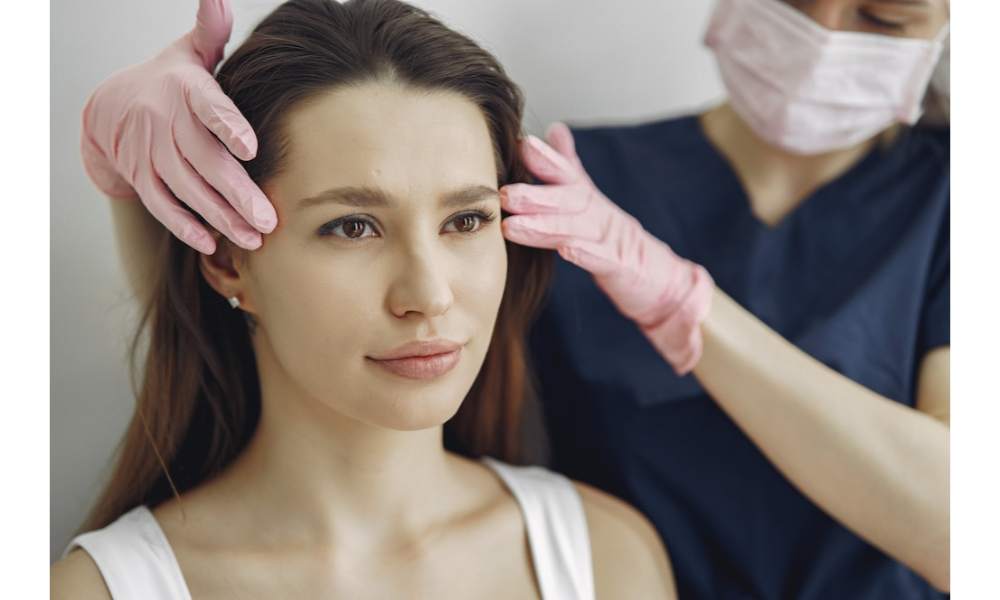
Understanding Facial Aesthetics: A Comprehensive Overview
Facial aesthetics have long fascinated both medical professionals and individuals concerned with appearance. From ancient times to today, the pursuit of beauty has evolved, now encompassing treatments from non-invasive options like Botox to surgeries such as rhinoplasty and facelifts. Advances in technology and a cultural emphasis on self-improvement have fueled this growth. Beyond physical enhancement, these procedures often boost psychological well-being and confidence. Achieving natural, satisfying results requires a blend of artistic vision and anatomical expertise, ensuring harmony with a person’s unique features.
The Connection Between Facial Aesthetics And Mental Health
The link between facial aesthetics and mental health is significant. Our appearance influences self-perception and how others see us, often affecting self-esteem and social interactions. Dissatisfaction with facial features can lead to emotional distress, while enhancing appearance through aesthetic procedures often boosts confidence and psychological well-being. This can improve social life and career prospects, leading to a more positive outlook. A holistic approach—combining the expertise of surgeons and mental health professionals—ensures patients have healthy motivations and realistic expectations, promoting both physical and emotional wellness.
The Psychological Benefits Of Facial Aesthetic Surgery
Facial aesthetic surgery offers significant psychological benefits beyond boosting self-esteem. For many, altering their appearance leads to profound emotional changes, helping individuals feel more aligned with their self-image and reducing internal conflicts between how they look and how they wish to be perceived. This alignment can ease feelings of anxiety and depression. According to Kimball Health Services, individuals who become more satisfied with their appearance are likely to engage in less negative self-talk, ultimately improving their mental health and quality of life.
Additionally, facial aesthetic surgery can help individuals overcome past traumas or insecurities, providing a sense of control over their bodies. This sense of empowerment supports greater confidence and peace of mind, supporting overall well-being.
Common Emotional Challenges Faced By Patients Seeking Facial Aesthetics
Patients pursuing facial aesthetic procedures often face emotional challenges, including anxiety, fear, and guilt. Societal pressures and personal insecurities can heavily influence their decision. A major issue is unrealistic expectations—some hope for dramatic, unattainable changes, which can lead to disappointment. Surgeons must communicate achievable outcomes and set realistic goals. Additionally, fear of judgment from others and cultural stigmas can create added stress. Providing emotional support and guidance throughout the process is essential to helping patients navigate these concerns.
The Role Of Surgeons In Supporting Mental Well-Being
Surgeons play a vital role in supporting their patients’ mental well-being, from consultation through recovery. They must assess motivations, set realistic expectations, and provide emotional support throughout the process. Collaborating with mental health professionals allows for comprehensive care, addressing both physical and psychological needs. Surgeons also serve as trusted confidants, creating a safe space for patients to share concerns. This holistic, communicative approach enhances patient experience and leads to more satisfying outcomes.
How Facial Aesthetic Procedures Can Boost Self-Esteem
Facial aesthetic procedures can greatly enhance self-esteem, often motivating individuals to seek cosmetic changes. Feeling more attractive can lead to increased confidence, which positively impacts social interactions and professional performance. This boost can result in a more fulfilling life. However, the decision must stem from personal desire, not societal pressure. When patients have clear goals and realistic expectations, they’re more likely to experience lasting psychological benefits.
Ethical Considerations In Facial Aesthetics And Mental Health
Ethical considerations are essential in facial aesthetics. Surgeons must balance patient desires with their well-being by carefully assessing motivations and mental health. Informed consent is key—patients must fully understand the risks, benefits, and outcomes before proceeding. Ethical practice also involves guarding against unnecessary procedures driven by profit. By prioritizing transparency and patient welfare, surgeons uphold professional integrity and safeguard mental health.
The Importance Of Pre and Post-Operative Support
Pre and post-operative support is vital to successful facial aesthetic procedures. Before surgery, thorough consultations with facial plastic surgeons help assess physical and mental readiness while setting realistic expectations. After surgery, continued care is crucial to address complications and ease emotional recovery. Support from mental health professionals can also be invaluable, helping patients manage emotional challenges and reinforcing the positive impact on self-esteem and overall well-being.
Conclusion: The Holistic Approach To Facial Aesthetics And Mental Health
In conclusion, the interplay between facial aesthetics and mental health is complex and multifaceted. As we have explored, the decision to undergo facial aesthetic procedures is deeply personal, with significant emotional and psychological implications. Surgeons have a vital role to play, not only in achieving the desired physical outcomes but also in supporting the mental well-being of their patients.
A holistic approach, which considers both the physical and psychological aspects of facial aesthetics, is essential for successful outcomes. By prioritizing patient well-being and maintaining ethical standards, the field of facial aesthetics can continue to empower individuals, enhancing their self-esteem and overall quality of life.
If you’re considering a facial aesthetic procedure and wish to explore how it can positively impact your mental health, I encourage you to consult with a qualified surgeon. Together, you can embark on a journey towards a more confident and harmonious self. Remember, true beauty is about feeling good in your skin, and sometimes, a little support can make all the difference.
