

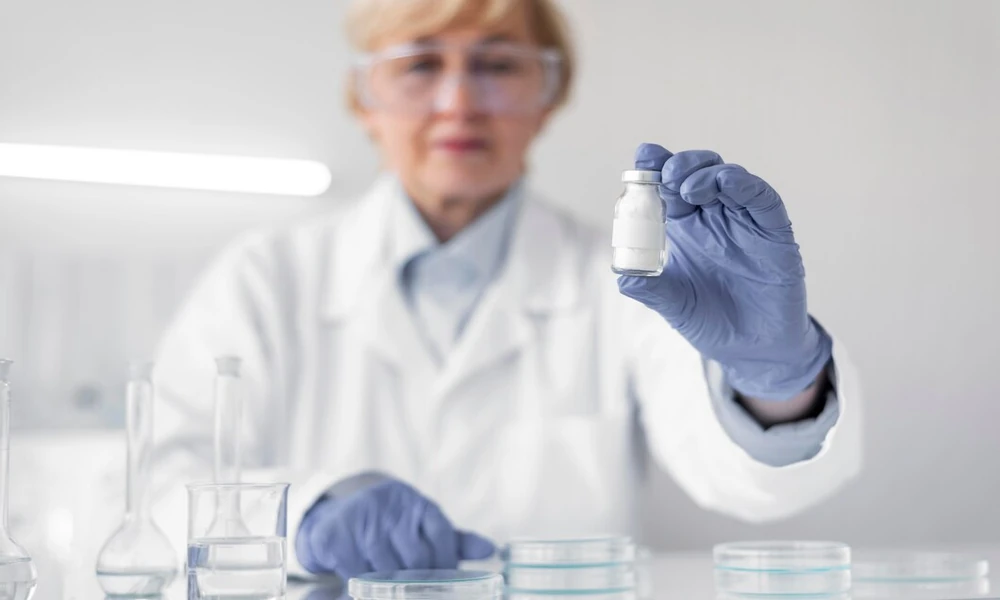
Inflammation is a normal response of the body to protect and repair. In response to injury and stress, tissues release inflammatory signals, which coordinate immune activity and initiate the repair response. If it lasts for too long or becomes excessive, though, it can disrupt the healing process. Scientists are thus investigating compounds that could have a beneficial effect on inflammatory pathways and tissue regeneration. Peptides are being noticed because some have actually demonstrated activity in the biological region of cell signaling, healing, blood vessel formation, and immunity. Many of the studies are still preliminary, especially those for peptides used to promote recovery and regeneration.
Investigating Potential Cell Support
A peptide stack is typically a combination of peptides that are going to have different suggested biological functions. The concept is that compounds that impact inflammation, connective tissue activity, cell signaling, or repair mechanisms may have complementary effects. Often mentioned peptides in regenerative research include BPC-157, TB-500, GHK-Cu, and KPV. Some potentially interesting findings have been reported in laboratory and animal studies, having to do with tissue repair and inflammatory responses. But even though the laboratory results seem promising, that doesn’t mean that the same benefits will be seen in humans. Recent publications have focused on the specificity of the human clinical evidence for numerous emerging peptides.
After the tissue tears, the cells begin to repair
Cellular repair requires a number of complex processes, such as communication between cells, the creation of new tissue, the regulation of inflammatory signals, and the remodeling of damaged structures. There are experimental peptides that have been studied for their effects on these mechanisms. GHK-Cu has been investigated in the context of tissue and connective-tissue processes, for instance, and thymosin-related compounds have been found to be of interest for preclinical research on healing. These findings provide a rationale for the use of peptide-based approaches but should be treated as research findings and not as therapies.
The evidence and safety are taken into account
The use of peptides for recovery remains an area of interest, and responsible evaluation needs to differentiate between the potential mechanisms of action and the clinical outcomes. The FDA has reported on limited or insufficient safety data for a handful of peptides that are not approved for sale, such as BPC-157, GHK-Cu (injection), and TB-500. Issues may include immunogenicity, peptide impurities, or a lack of sufficient human safety information. So, if someone is thinking of using a peptide stack, they should consult a knowledgeable health care provider instead of taking anything on faith that they have seen online or self-prescribed. Future clinical studies will be crucial to establish which of the proposed benefits are reproducible, what the potential risks are, and where these compounds could find a place in the future treatment of patients.
