

When a family member begins experiencing the effects of dementia, finding the right support can feel overwhelming.
There are often many questions to consider. Will they be comfortable with someone new visiting their home? Can they continue enjoying their usual routines? Will their care team understand the changes they’re experiencing?
While practical assistance is important, the knowledge, patience and understanding of the people providing that care can make a significant difference.
For families exploring dementia care at home, specialist staff training is one of the important factors worth considering.
Understanding That Every Experience of Dementia Is Different
Dementia is an umbrella term covering several conditions that affect cognitive abilities, including memory, communication and reasoning.
However, no two people experience dementia in exactly the same way.
One person may need occasional reminders or reassurance, while another might require help with personal care, meals and everyday activities.
Changes can also occur gradually, meaning care arrangements may need to adapt over time.
This is why personalised support is so important.
Rather than following the same routine for everyone, well-trained care professionals learn to recognise individual preferences, understand different communication needs and respond appropriately when circumstances change.
The Importance of Dementia Training for Care Professionals
Caring for someone living with dementia requires more than completing everyday tasks.
Effective training helps carers understand how dementia can influence behaviour, memory, communication and emotional wellbeing.
It can also help them recognise situations where someone may feel confused, anxious or overwhelmed.
For example, a person who struggles to understand a question may benefit from a calmer approach, simpler language or additional time to respond.
Small adjustments like these can make daily interactions more comfortable and respectful.
Training also reinforces the importance of maintaining dignity, encouraging independence and recognising the person behind the condition.
These skills can be especially valuable when care takes place within someone’s own home.
Why Familiar Surroundings Can Be So Important
For many people living with dementia, remaining in familiar surroundings is a priority.
A person’s home contains memories, belongings and everyday routines that contribute to their sense of identity.
Although dementia may affect how someone understands their environment, familiar settings can sometimes provide reassurance and help reduce unnecessary disruption.
Professional home care can support this preference by helping people with practical activities while respecting established routines.
Families exploring home care in Cambridge can find services ranging from companionship and personal care to more comprehensive dementia support.
The most appropriate arrangement will depend on the person’s needs, preferences and circumstances.
Recognising Excellence in Dementia Training
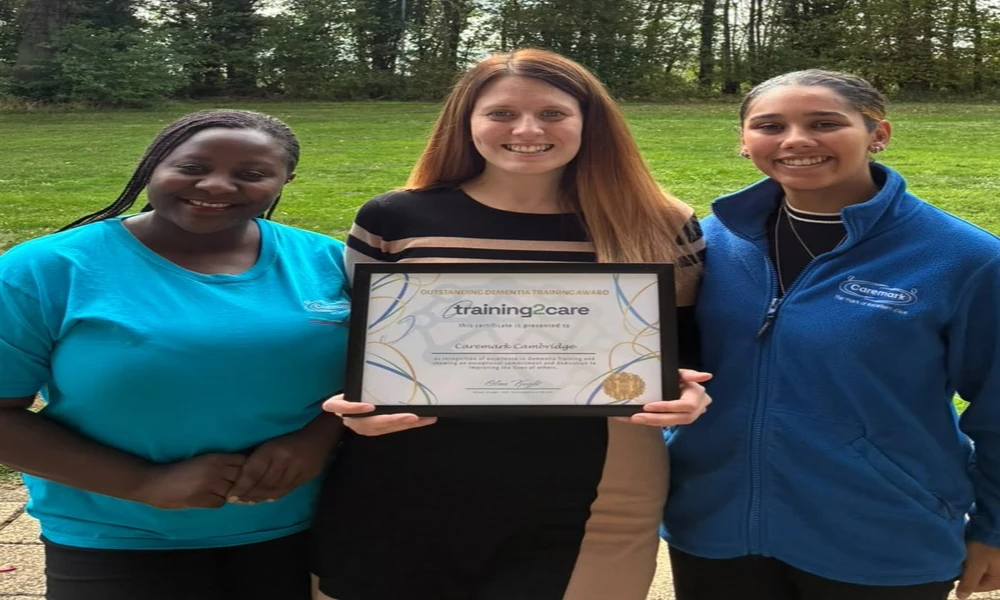
One example of a local provider investing in staff knowledge is Caremark Cambridge & South Cambridgeshire, which recently received an Outstanding Dementia Training Award from Training2Care.
The recognition highlights the organisation’s commitment to dementia education and developing the skills of its care team.
Awards such as this can offer families an additional insight into a provider’s approach to professional development.
However, when selecting a care service, families should also consider individual care assessments, communication, regulatory information and how the provider plans to support their loved one’s changing needs.
Strong training is an important part of good care, but it should always be supported by thoughtful, consistent practice.
When Might Live-In Dementia Care Be Appropriate?
Some people living with dementia may eventually need more regular assistance than short home care visits can provide.
In these circumstances, live-in care may be one option to consider.
A live-in carer stays in the person’s home and provides agreed support throughout the day, with arrangements for appropriate breaks and other care needs.
This might involve assistance with meals, personal care, daily routines and companionship.
For families considering live-in care in Cambridge, an individual assessment can help establish whether this type of support is appropriate.
Where someone requires frequent waking-night assistance or specialist supervision, additional arrangements may be necessary.
Questions Families Should Ask a Home Care Provider
Before choosing dementia care, families should feel comfortable asking questions about the support available.
Useful areas to discuss include:
- What dementia-specific training do care professionals receive?
- How are individual care plans developed and reviewed?
- How does the team support people experiencing confusion or anxiety?
- What arrangements are in place if someone’s needs change?
- How are family members kept informed about their loved one’s wellbeing?
A good care provider should welcome these conversations and explain how its services are tailored to each individual.
Putting Compassion and Understanding at the Heart of Care
Living with dementia can bring challenges, but the right support can help people continue enjoying meaningful routines, relationships and everyday experiences.
Specialist training gives care professionals valuable knowledge, while kindness, patience and consistent communication help turn that knowledge into compassionate care.
For families making important decisions about a loved one’s future, choosing a provider that values ongoing learning and person-centred support is a worthwhile starting point.
The recent recognition received by Caremark Cambridge & South Cambridgeshire is a positive example of the importance of investing in dementia education.
Further Information
Caremark Cambridge & South Cambridgeshire
Contact: Robert Johnstone
Telephone: 01223 778818
Email: cambridge@caremark.co.uk
