

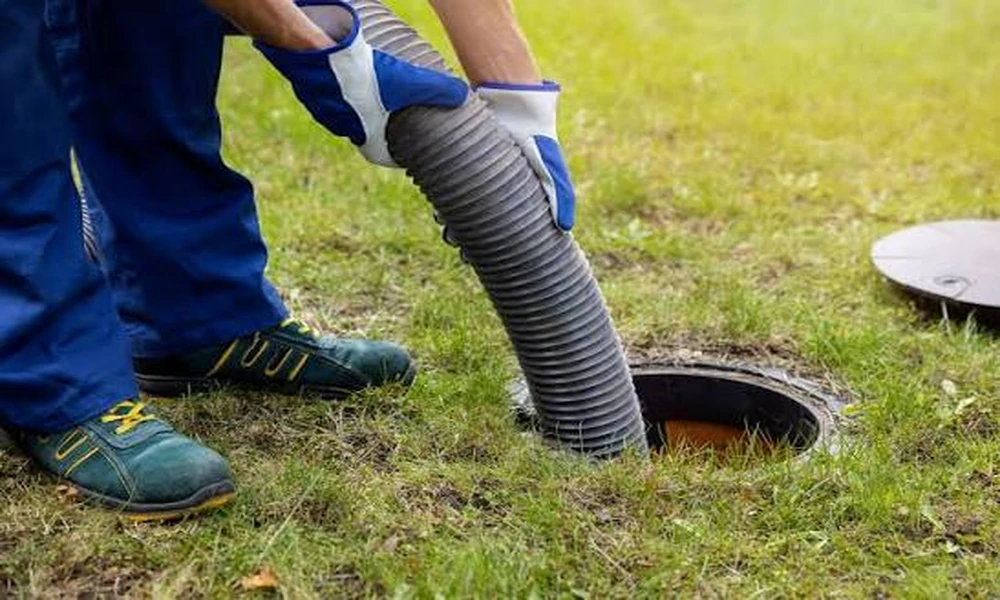
Most septic systems fail on a Tuesday afternoon, in the rain, with a house full of people. You don’t get a warning light. You get a smell, a slow drain, and a sudden education in what lives under your yard. That’s why the smartest homeowners treat septic maintenance like changing the oil in a truck: boring, cheap, and the reason nothing explodes later.
Here’s the good news. A residential septic system is not complicated once you understand its rhythm. You have a tank that separates solids from liquid, a drain field that releases the treated water back into the soil, and a set of habits that either help that process or wreck it. Get the habits right and your system can run for decades. Choose a maintenance partner who does more than pump and run, and you get eyes on the whole system every time. That’s what you get with residential septic services in Cleburne, TX, where inspections and advice come standard with a routine pump-out.
This guide walks you through the maintenance rhythm, the red flags worth acting on, and the seasonal quirks that come with living in North Texas clay. It’s written for the homeowner who’d rather spend a Saturday doing anything else than digging up a drain field.
What Actually Happens Inside Your Tank
The tank does the quiet work. Solids settle to the bottom as sludge, fats and grease float to the top as scum, and the clearer liquid in the middle flows out to the drain field. Bacteria break down what they can. Everything else just accumulates, and that’s the whole reason pumping exists.
I think of the tank as a holding pattern, not a trash can. People flush things that never break down, and the system pays for it years later. Coffee grounds, wipes, dental floss, paper towels, and that leftover grease from the bacon pan all add volume that nothing in nature is in a hurry to dissolve.
Your drain field is the second half of the story, and it’s the expensive half. Liquid leaves the tank, seeps through perforated pipes into gravel or chambers, and the soil finishes the treatment. Compact that soil with a parked truck or drown it with excess water, and the field stops absorbing. Repairing a failed field costs far more than any pump-out you’ll ever schedule.
How Often Should You Pump a Septic Tank?
Most households land somewhere in the three to five year range, but the honest answer depends on your tank size and how many people live in the house. A family of four with a typical tank is on the shorter end. A retired couple in a larger home can stretch it further. The Environmental Protection Agency collects solid guidance on why septic system upkeep matters for household water, and the theme is consistent: regular removal of solids prevents the drain field from doing the work the tank was supposed to do.
Here’s my stance, and it’s not a popular one. If you don’t know when your tank was last pumped, get it pumped now and start a record. The previous owner’s paperwork, if it exists at all, is worth less than your own log. Write the date on a sticky note, keep a folder, take a photo of the lid. Future you will be grateful.
Warning Signs You Shouldn’t Ignore
Septic problems announce themselves early if you’re paying attention. Catch these before they turn into a Saturday emergency:
- Drains across the house slow down at the same time, which points to the tank rather than one clogged pipe.
- You smell sewage outside near the tank or drain field, especially on still, humid mornings.
- Puddles or unusually green, spongy grass appear over the drain field.
- Gurgling sounds come from toilets or floor drains after you run the washing machine.
- Backups show up in the lowest drain in the house, usually a basement or first-floor shower.
One slow sink is a plumbing issue. Three slow sinks plus a smell is a septic issue, and it deserves a call rather than a plunger marathon.
Habits That Keep Your System Healthy
Nothing on this list costs money, and each item buys you time.
Spread your laundry across the week. Four loads on Sunday afternoon flood the tank and push solids toward the drain field before they can settle. Small, frequent washes treat the system far better than one giant laundry day.
Watch what goes down the drain. Cooking grease, coffee grounds, eggshells, and wipes labeled flushable all belong in the trash. That label is a marketing decision, not a plumbing fact.
Keep the drain field clear. Don’t park vehicles on it, don’t plant trees close enough for roots to find the pipes, and don’t build a shed over it. Route downspouts and sump pumps away so rainwater doesn’t saturate the soil the field depends on.
Skip the additives. The bacterial products sold to “boost” your tank mostly add cost, not value. Your household waste already feeds the bacteria that matter.
The Cleburne Factor: Clay Soil and Hot Summers
North Texas soil changes the maintenance math. Heavy clay absorbs water slowly, so drain fields here are less forgiving of overloading than sandy ground down near the coast. During a wet spring, the soil may already be near capacity, which is exactly when a struggling field starts to show puddles.
Summer brings its own wrinkle. Heat speeds up bacterial activity, and a house with guests, extra showers, and daily laundry can push a system harder in July than in January. The Texas Commission on Environmental Quality notes that properly maintained onsite systems protect both household health and local water, which is a polite way of saying the maintenance you skip lands on your neighbors eventually.
One practical tip for the region: after a long dry stretch, don’t panic if the grass over the field looks patchy. Heat stress on turf isn’t the same as a failing system. Look for standing water and odor instead.
When to Call a Pro Instead of DIY
Some tasks are homeowner territory. Others are not.
You can locate your tank, keep records, manage water use, and watch for warning signs. You should not open a tank lid, climb into a riser, or dig around a tank to “take a look.” Septic tanks produce gases that can overwhelm a person in seconds, and that’s before we talk about the mess.
Call a professional when you notice backups, persistent odor, soggy ground over the field, or it’s simply been long enough that the record is fuzzy. A proper service visit includes pumping, a look at the tank’s condition, and a conversation about what the system is telling you. If your system is older or you’re buying a home with an unknown history, an inspection before problems start is the cheapest money you’ll spend on the property.
If you’ve been putting off that first pump-out because you’re not sure what you’re dealing with, start with a conversation and a service date. Your yard, your drains, and your weekend will all be better for it. And when the next heavy rain rolls through Cleburne, you’ll be the neighbor whose system isn’t the topic of discussion.
