

Key Takeaways
- Dandruff build-up can interfere with scalp health and contribute to hair shedding in some individuals.
- Excess oil, dead skin accumulation, and scratching may weaken the scalp environment over time.
- Product build-up and infrequent cleansing may worsen oily scalp conditions.
- Choosing an appropriate oily scalp and hair loss shampoo may help manage scalp hygiene and reduce irritation.
- Persistent flaking or inflammation may require professional dandruff treatment to address underlying scalp conditions.
Introduction
Dandruff is often treated as a cosmetic issue, but persistent scalp flaking may affect more than appearance alone. Heavy dandruff build-up, in some cases, is linked to increased hair shedding due to irritation, inflammation, and excessive scratching. While dandruff itself does not directly cause permanent baldness, poor scalp conditions may interfere with the normal hair growth cycle and weaken the scalp environment over time.
People with oily scalps may experience stronger dandruff accumulation because excess sebum can combine with dead skin cells, sweat, and styling product residue. Once this happens, the scalp may become congested and irritated. Knowing how dandruff builds up affects scalp health is important for managing both scalp comfort and hair maintenance, as well as in customising treatments such as dandruff treatment in Singapore.
How Dandruff Build-Up Develops
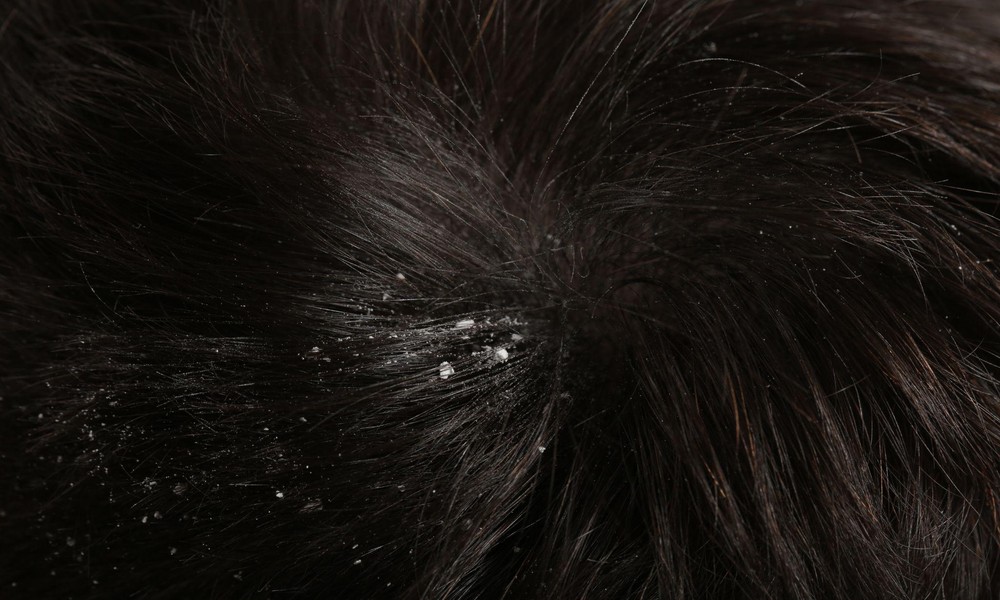
Dandruff commonly forms when dead skin cells shed from the scalp at an accelerated rate. This process may be triggered by excess oil production, fungal overgrowth, sensitivity to hair products, poor cleansing habits, or environmental factors such as humidity. Individuals with oily scalps are often more prone to visible flakes because sebum creates a surface where dead skin and debris accumulate more easily.
Once dandruff is mild, flakes may appear occasionally without major discomfort. However, persistent build-up can create thicker patches on the scalp surface. These patches may trap oil and sweat around hair follicles, increasing irritation and scalp sensitivity. Some people also experience redness, itching, or a greasy scalp texture alongside dandruff formation.
The Relationship Between Scalp Irritation and Hair Fall
Hair fall linked to dandruff is often associated with inflammation and repeated physical stress on the scalp. Continuous scratching caused by itchiness may weaken hair roots and contribute to temporary shedding. Aggressive scratching can also damage the scalp barrier, leading to further irritation and discomfort.
Inflamed scalp conditions may disrupt the normal hair cycle. Hair follicles function best in a balanced environment with controlled oil levels and minimal irritation. Once dandruff remains unmanaged for long periods, the scalp may become increasingly sensitive, which can contribute to higher levels of shedding during washing or brushing.
Clogged follicles in oily scalp conditions may also affect the scalp environment. Excess oil mixed with dead skin and product residue can make it harder to maintain scalp cleanliness. While dandruff alone is not usually the sole reason for significant hair loss, it may become one contributing factor among stress, hormonal changes, diet, and genetics.
The Role of Cleansing and Shampoo Selection
Scalp cleansing habits play an important role in managing dandruff accumulation. Some individuals avoid regular washing because they believe shampooing increases hair fall. However, insufficient cleansing may allow oil, flakes, and residue to build up further, especially in humid environments.
Using an appropriate oily scalp and hair loss shampoo may help remove excess oil and maintain a cleaner scalp surface. Products designed for oily scalp conditions often focus on balancing sebum levels while reducing dandruff-related irritation. Some formulations may also contain ingredients intended to loosen flakes or reduce fungal activity associated with dandruff conditions.
Overwashing, however, may also create problems. Harsh cleansing products can strip the scalp excessively, leading to dryness or rebound oil production. A balanced washing routine based on scalp condition is generally more effective than aggressive cleansing methods.
When Professional Treatment May Be Necessary
Some dandruff cases do not improve with routine shampoo changes alone. Persistent flaking, strong itchiness, redness, or continuous shedding may indicate a more severe scalp condition requiring professional assessment. Conditions such as seborrhoeic dermatitis, psoriasis, or fungal-related scalp irritation may resemble common dandruff symptoms.
Professional dandruff treatment may involve scalp analysis, medicated products, or treatments targeting oil control and scalp hygiene. Treatment plans, in some cases, are adjusted based on scalp sensitivity, severity of inflammation, and the presence of ongoing hair shedding. Seeking professional evaluation may help identify whether dandruff is contributing to broader scalp health concerns.
Conclusion
Dandruff build-up may contribute to hair shedding when scalp irritation, inflammation, and scratching become persistent. Oily scalp conditions can further worsen flake accumulation and scalp congestion, especially when cleansing routines are inconsistent. While dandruff does not directly cause permanent hair loss in most cases, maintaining scalp hygiene remains important for supporting a healthier scalp environment. Early management through suitable dandruff treatment in Singapore and professional assessment may help reduce discomfort and ongoing scalp issues.
Contact Bee Choo Origin to speak with a scalp care provider and understand whether your symptoms may require targeted scalp management or professional treatment support.
