

Key Takeaways
- Bouquet wrapping affects the presentation, durability, and handling of ROM floral arrangements.
- Different wrapping styles suit different ROM themes, venue types, and photography preferences.
- Popular wrapping materials include mesh, kraft paper, satin fabric, and transparent waterproof film.
- A well-designed ROM hand bouquet combines aesthetics with practicality for the ceremony day.
Introduction
Bouquet wrapping plays a major role in the overall appearance of floral arrangements used during solemnisation ceremonies. Beyond decoration, the wrapping affects bouquet structure, comfort, portability, and photography results. Florists designing a hand bouquet in Singapore often customise wrapping styles according to the venue, dress code, flower type, and event theme.
ROM (Registration of Marriage) ceremonies are usually smaller and more streamlined than traditional weddings, which is why many couples prefer bouquet designs that look elegant without appearing overly large or formal. Wrapping styles today range from minimalist kraft paper arrangements to layered Korean-inspired designs and satin fabric finishes. Each style creates a different visual effect while also serving practical purposes during the ceremony.
Below are four bouquet wrapping styles commonly used for ROM ceremonies.
1. Korean-Style Layered Wrapping
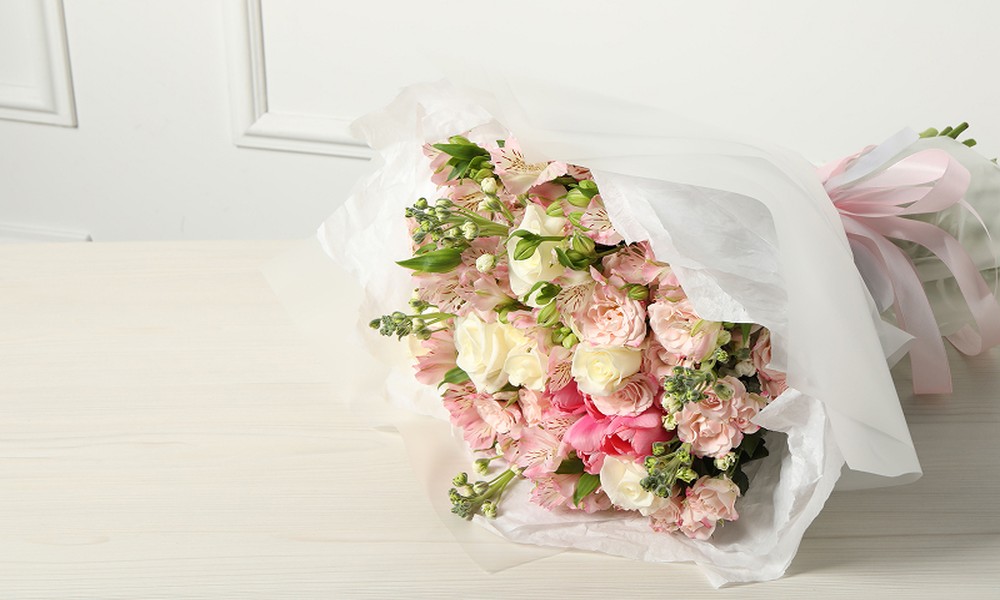
Korean-style wrapping remains one of the most requested bouquet presentation styles for ROM ceremonies. This method uses layered wrapping sheets, translucent materials, or mesh paper folded around the bouquet to create volume and structure without making the arrangement appear too bulky.
Many couples choose this style for a ROM hand bouquet because it photographs well and suits modern solemnisation themes. Florists commonly use pastel shades, neutral colours, or monochrome wrapping combinations to maintain a clean and balanced appearance. The wrapping also frames the flowers neatly, making smaller bouquets appear fuller during photography sessions.
Another advantage of Korean-style wrapping is its versatility. It works well with roses, tulips, carnations, and preserved flowers while maintaining a polished presentation. The layered structure also helps protect delicate petals during transportation, which is useful for couples travelling between photo locations and solemnisation venues.
2. Rustic Kraft Paper Wrapping
Rustic kraft paper wrapping is commonly used for minimalist or casual ROM ceremonies. This style uses brown kraft paper, textured wrapping sheets, or recycled materials to create a softer and more natural presentation. Florists may add twine, ribbons, or dried foliage to complete the arrangement.
A hand bouquet using kraft paper wrapping is often selected for outdoor solemnisation ceremonies, café venues, or garden-themed events. The earthy colour tones pair well with preserved flowers, sunflowers, baby’s breath, and other natural floral combinations.
Kraft paper wrapping is also practical because it is lightweight and durable. Couples carrying bouquets for extended photography sessions may prefer this option due to its comfortable handling and simpler appearance. While the design is less formal than satin or layered wrapping, it remains popular because it complements modern minimalist wedding themes without distracting from the flowers themselves.
3. Satin Fabric Wrapping
Satin fabric wrapping is commonly used for ROM ceremonies with a more formal or polished setup. Instead of relying mainly on paper materials, florists wrap the bouquet handle or outer layer using satin cloth, silk ribbons, or fabric overlays to create a smoother finish.
This wrapping style is frequently paired with roses, orchids, and pastel flower arrangements because the fabric enhances the bouquet’s refined appearance. Couples choosing a ROM hand bouquet for hotel solemnisation venues or indoor studio shoots often select satin wrapping to match elegant bridal attire and formal decorations.
Beyond aesthetics, satin wrapping also improves comfort when holding heavier bouquets. Florists may customise the wrapping further using layered ribbons or personalised details while still keeping the bouquet suitable for ROM ceremonies, which generally favour smaller and easier-to-carry arrangements.
4. Transparent Waterproof Wrapping
Transparent waterproof wrapping has become increasingly common due to Singapore’s humid weather conditions. This style uses clear protective film that shields flowers from moisture while still allowing the bouquet arrangement to remain visible.
Many florists offering a hand bouquet recommend waterproof wrapping for outdoor ROM ceremonies or events involving multiple transport locations. The material helps preserve flower freshness throughout the day while reducing damage caused by humidity or accidental exposure to rain.
Although the wrapping serves a practical purpose, modern transparent designs still maintain a neat and contemporary appearance. Florists often combine clear wrapping with coloured ribbons or inner paper layers so the bouquet does not look overly plain during photography sessions.
Conclusion
Bouquet wrapping styles influence both the appearance and functionality of ROM floral arrangements. Korean layered wrapping creates structure, kraft paper offers a natural look, satin fabric provides a refined finish, and transparent waterproof wrapping improves durability in humid conditions.
That said, when selecting a ROM hand bouquet, couples often consider how the wrapping complements their venue, attire, and photography plans. Florists designing a hand bouquet typically balance presentation, comfort, and practicality to ensure the bouquet remains suitable throughout the day of the ceremony.
Contact JM Flower to choose a professionally arranged ROM hand bouquet that matches your ceremony theme, venue, and photography style while remaining practical for the entire day.
